
Getting out into the community is so important for one's wellbeing. A busy Saturday at a shopping centre might be enjoyable for one person and completely overwhelming for another. A quiet morning at a gallery, a walk through the bush or a familiar market might be a much better fit.
For NDIS participants and neurodiverse visitors, accessibility is about more than whether a venue has a ramp. Noise, lighting, crowds, seating, toilets, travel time and having somewhere to take a break can all affect whether an outing feels manageable.
Here are some accessible activities in Newcastle NSW to consider when planning a community outing.
Sensory-friendly shopping and indoor activities
If shopping is part of your community access plans, Westfield Kotara has a dedicated Quiet Time every Tuesday from 10:30am to 11:30am. During this hour, common-area lighting is dimmed, music is lowered and PA announcements are avoided except for emergencies. Many retailers also participate. Westfield provides a sensory-friendly map covering sounds, lights and smells, which can help you plan before arriving.
The centre also has accessible toilets and a Changing Places facility on Level 2 near JD Sports.
For something quieter and more creative, The Lock-Up on Hunter Street is a contemporary arts space housed in Newcastle's former lock-up. The building has a ramped entrance, accessible unisex toilets and accessible parking, with most of the site accessible to people with mobility needs.
Nearby, Timeless Textiles Gallery offers exhibitions focused on fibre arts and creative work. The gallery welcomes visitors with access needs, including people who use wheelchairs and people who may need support with communication, learning or sensory needs.
For something more casual, Abicus on Darby Street is an independent shop featuring vinyl, books, fashion and other lifestyle items. It has a step-free main entrance and welcomes people with access needs.
Newcastle Museum has also offered low-sensory sessions, with changes such as reduced noise and lighting effects. Check the current What's On listings before planning a visit, as these sessions can be tied to specific exhibitions or dates.
Outdoor activities around Newcastle
If being outdoors is more comfortable, there are plenty of options that don't require a full-day adventure.
Blackbutt Reserve covers around 182 hectares and has wildlife exhibits, picnic areas and nature trails. The Carnley Avenue area includes accessible facilities and a wildlife boardwalk, making it possible to spend time in nature without committing to a long walk.
The Newcastle Foreshore and Honeysuckle area is another option for a more flexible outing. The wide waterfront paths make it possible to take a short walk, stop for a drink or simply sit and watch the harbour without needing to follow a set itinerary.
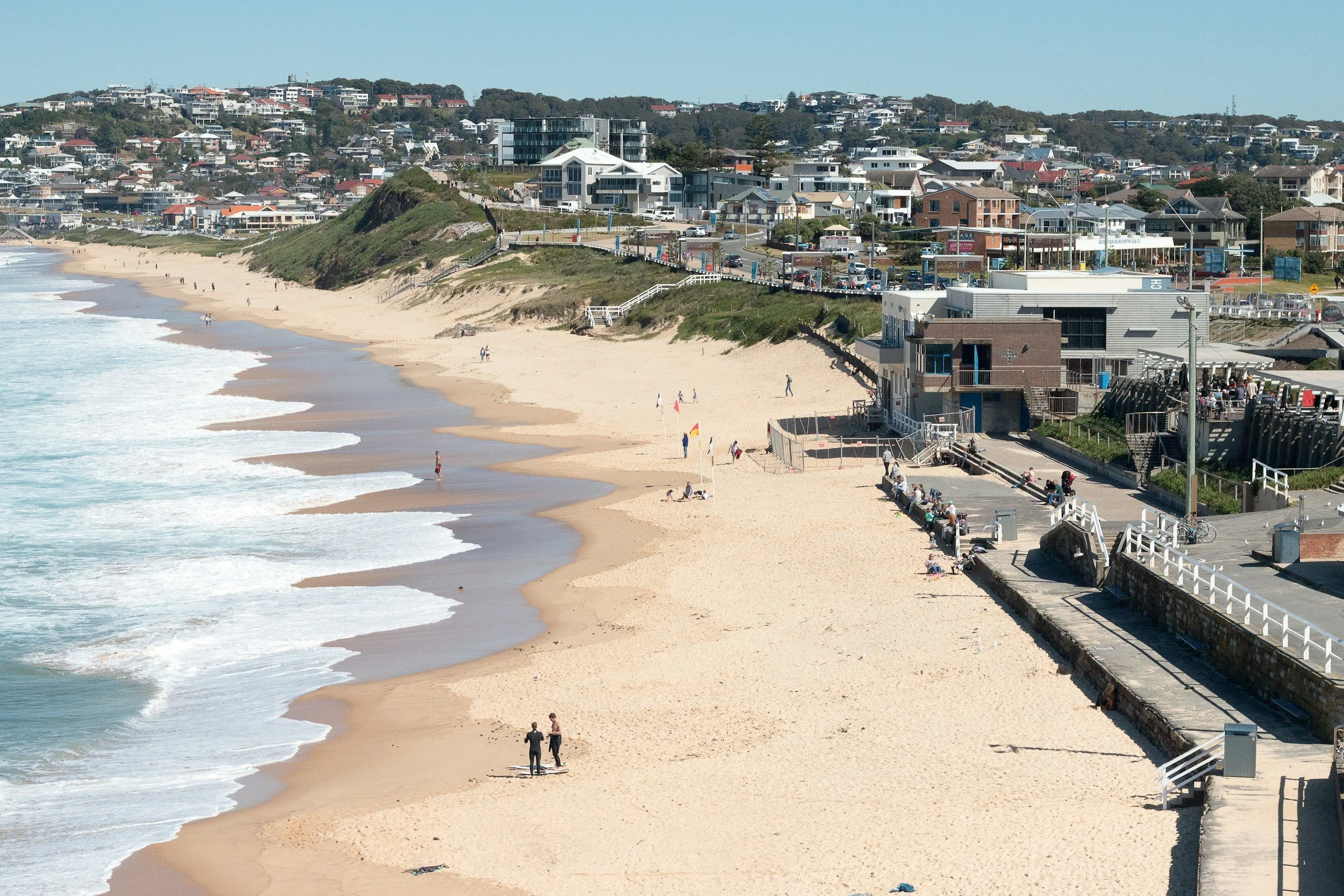
Newcastle Beach, Nobbys and the Newcastle Ocean Baths can also work for people who enjoy being near the water. City of Newcastle provides accessibility information for local beaches, including accessible facilities and parking at selected locations.
Hunter Wetlands Centre in Shortland has accessible facilities and designated routes around the visitor centre and key attractions for quieter, nature-based routes. It also has a dedicated sensory trail designed for people with sensory processing needs, including autistic visitors.
Local experiences worth adding to your plans
Accessibility doesn't mean every outing has to be quiet or low-energy. Some people enjoy activities that are more social.
Go Karts Go in Broadmeadow welcomes people with access needs and offers go-karts, video games and other activities. Because go-karting involves noise, movement and safety requirements, it's worth contacting the venue ahead of time to discuss the participant's specific needs.
The Newcastle City Farmers Market at Newcastle Showground is another local option, with fresh produce, food stalls, makers and plenty of seating. The market actively welcomes people with access needs, although it can also become busy, so the time of day and the participant's tolerance for crowds are worth considering.
For history and heritage, the Convict Lumberyard in Newcastle's city centre is an outdoor historical site with information panels about the area's convict history and Aboriginal history. It actively welcomes people with access needs.
CoastXP offers boat-based experiences along the Newcastle and Hunter Coast. The operator provides accessibility information, can store wheelchairs and walkers during some Newcastle experiences, and offers transcripts of tour commentary on request. However, some experiences have physical requirements, including the ability to safely board and disembark, so contact the operator before booking.
Planning a Newcastle community outing
The activity itself is only one part of the plan. Think about what could make the whole outing easier.
Consider:
Choosing a quieter time of day where possible
Checking parking, toilets and entry points before leaving
Bringing headphones, sunglasses, sensory tools or other familiar items
Looking at photos or maps of the venue beforehand
Planning somewhere to sit or take a break
Having an exit plan if the environment becomes overwhelming
Checking accessibility directly with a venue when needs are specific
City of Newcastle also has a Disability Access and Inclusion page and an Inclusive Sport, Arts and Recreation Directory that can help people find local opportunities and accessibility information.
You can also explore our community access support service if you're looking for help planning outings around Newcastle.
Most importantly, community access should start with the participant. The right outing is not necessarily the biggest or most exciting one. Sometimes it's coffee, a short walk, dining in a restaurant, or visiting a familiar place at a quieter time.
With the right planning and support, Newcastle has plenty of ways to get out, try something new and be part of the local community.
If you'd like to get started with Better Care's community access services, send a message and our team can help plan outings around the participant's interests and support needs.
